Neroli vs Orange-Blossom Absolute vs Petitgrain: A Perfumery Comparison
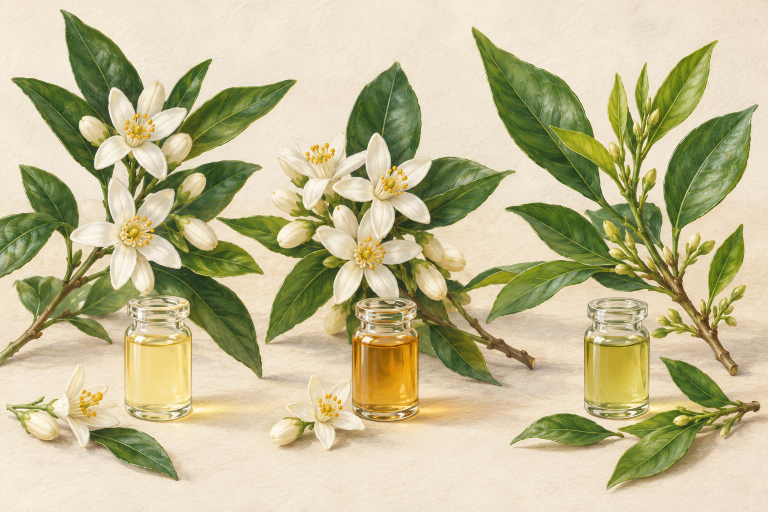
Flower distillation, flower extraction and leafy-branch distillation produce distinct perfumery materials. Compare the exact products before replacing one with another.


Flower distillation, flower extraction and leafy-branch distillation produce distinct perfumery materials. Compare the exact products before replacing one with another.
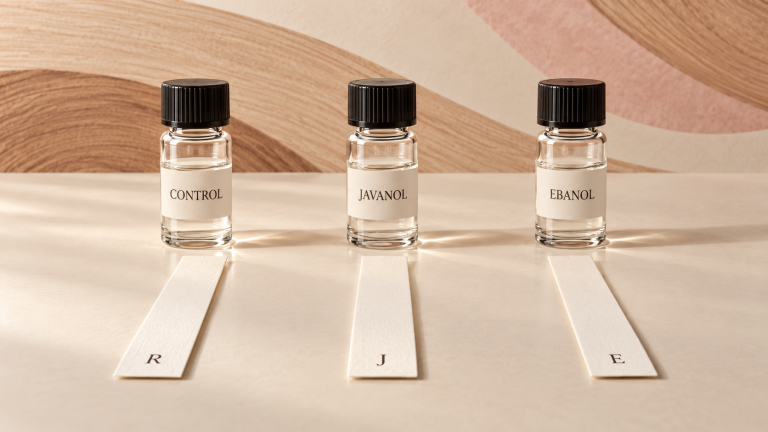
A practical comparison of two Givaudan sandalwood materials, with carefully scoped manufacturer data and a controlled three-sample study for your own formula.
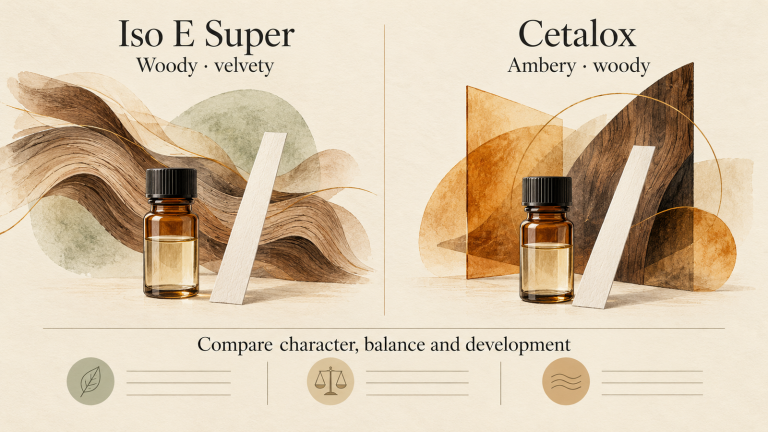
A practical comparison of Iso E Super and Cetalox, with manufacturer-specific facts, the Ambroxan naming distinction and a three-sample study for your own formula.
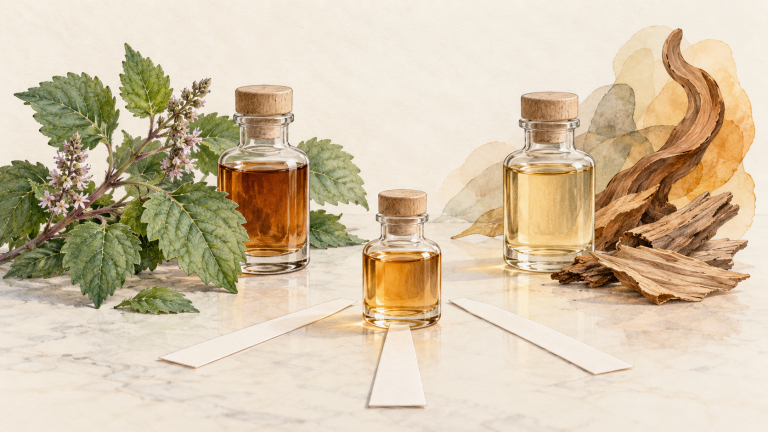
Patchouli oil and Clearwood can be useful together. Start with the exact grade, then compare an original, a blend and a full-change trial without assuming a universal substitution ratio.
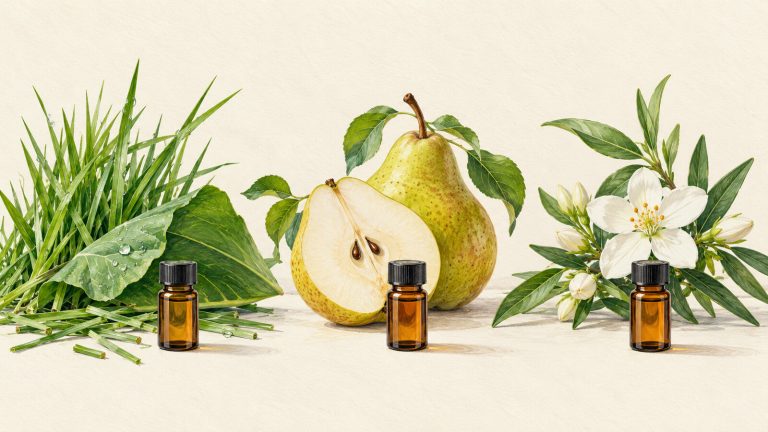
Grassy freshness, fruity green sharpness and a persistent floral-green effect: compare three related materials without treating them as direct substitutes.
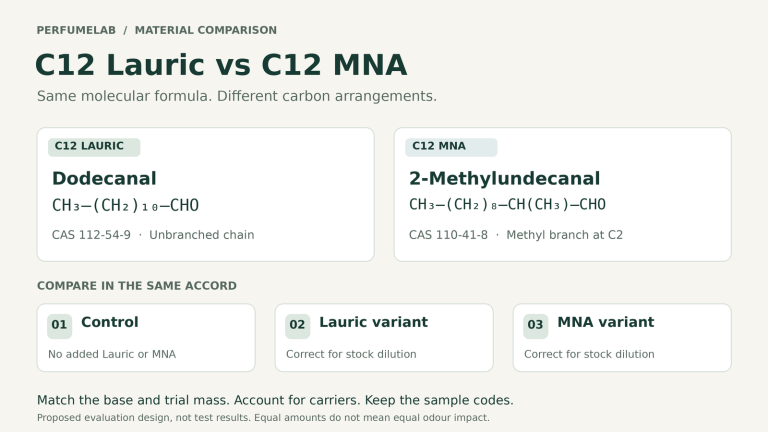
C12 Lauric and C12 MNA are different molecules. Check the bottle, compare supplier descriptions and plan a controlled trial before changing your formula.
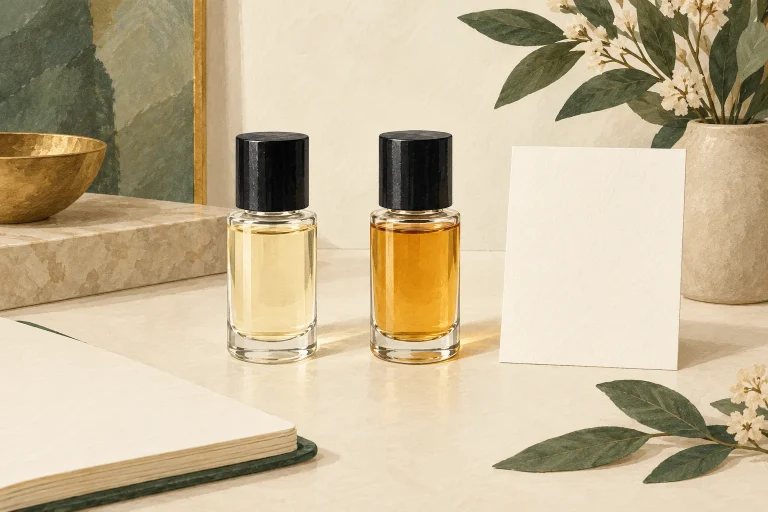
A darker perfume is an observation, not a diagnosis. Check ingredient colour, batch differences, packaging and storage without treating appearance as a safety test.
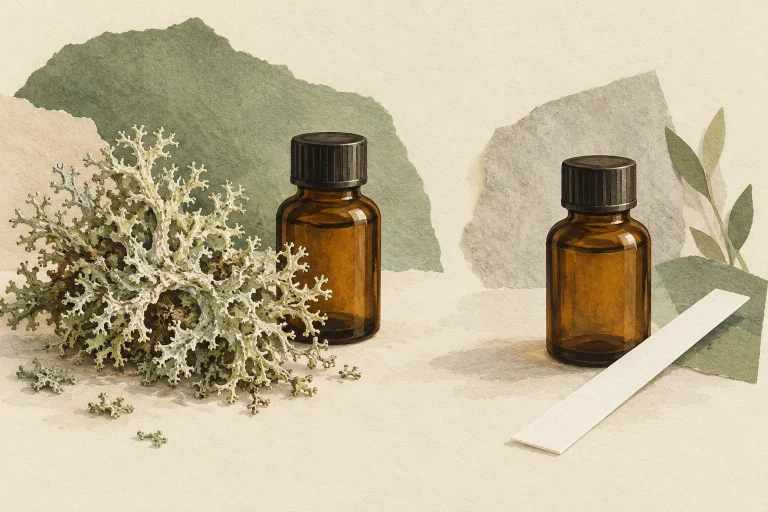
Separate oakmoss extracts, Evernyl, Veramoss and commercial moss bases. Check identity, stock strength and carrier before deciding how to compare or replace them.

Organise perfumery materials with clear identities, compatible closures and meaningful dates. Learn why expiry, retest and review reminders differ—and why a household fridge is not a universal solution.
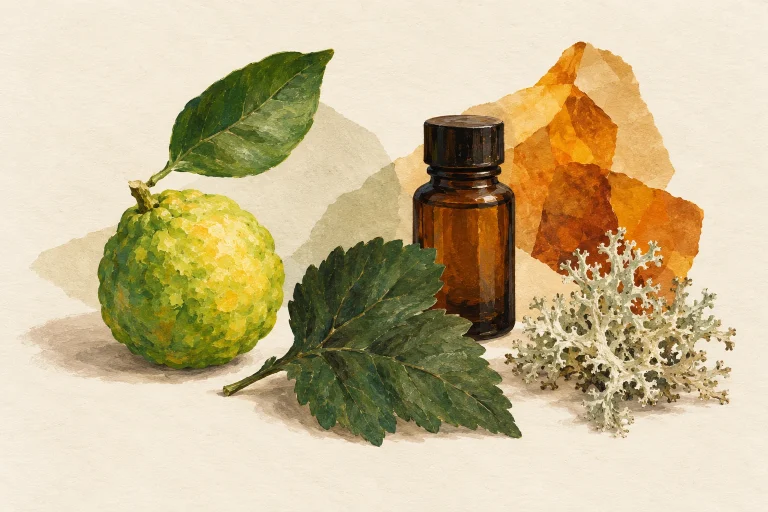
Explore the citrus, resinous, woody and mossy facets of a chypre accord. Plan a clear comparison without treating oakmoss substitutes or historical recipes as interchangeable.