
Ethyl Maltol is one of the most important ingredients in gourmand perfumery. It produces a strong sweet, caramel-like scent and is responsible for the sugary character in many modern fragrances.
Even very small amounts can dramatically change a formula, making it smell warmer, sweeter, and more edible.
Because Ethyl Maltol is extremely powerful, it is usually used at much lower percentages than most other ingredients.
What Ethyl Maltol Smells Like
Ethyl Maltol has a strong sweet scent.
It smells:
sweet
caramel-like
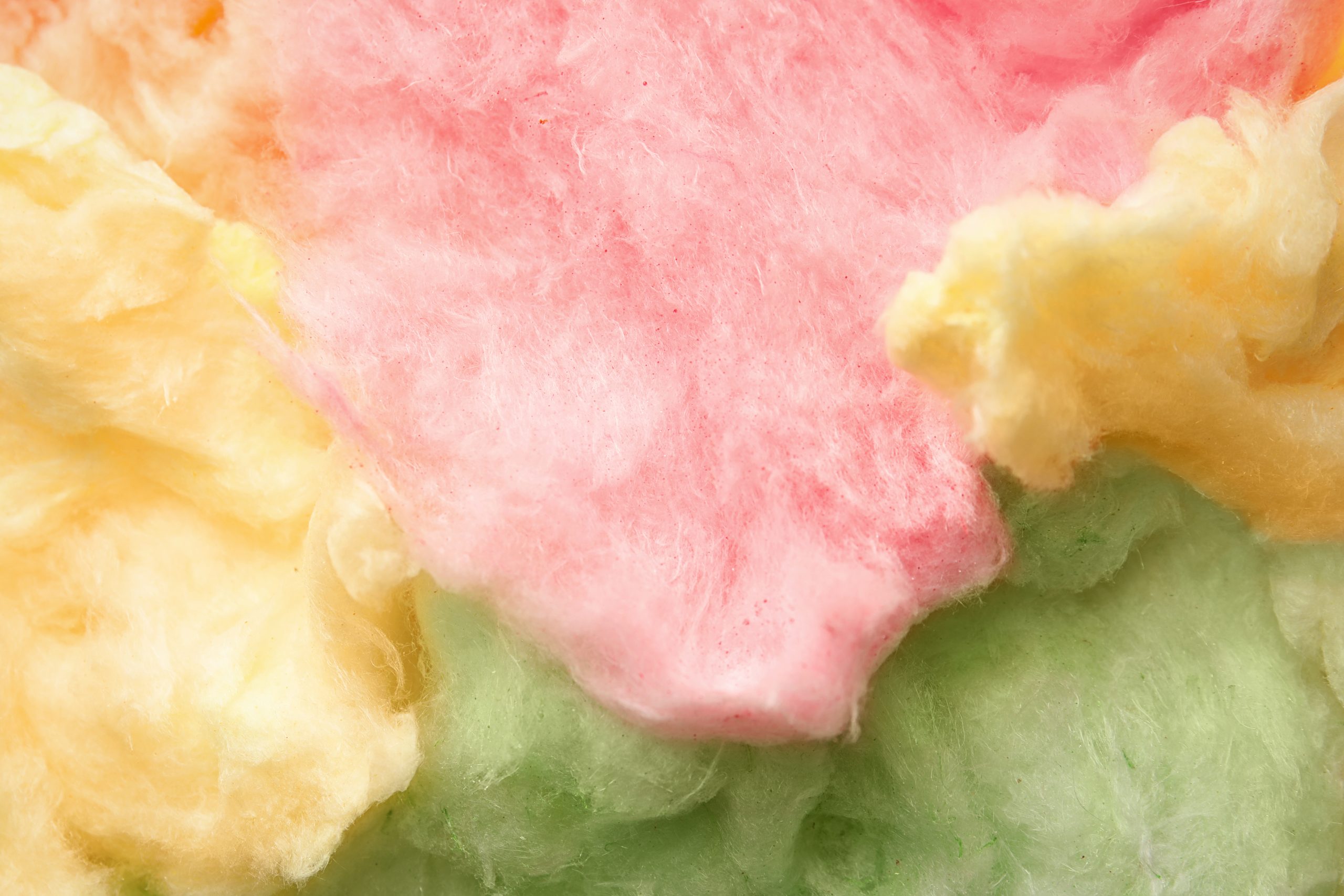
cotton candy-like
burnt sugar
warm
It is commonly associated with dessert-style fragrances and can create the impression of sugar, candy, or caramel depending on how it is used.
It is especially important in:
gourmand fragrances
amber fragrances
sweet modern perfumes
Typical Ethyl Maltol Usage Percentage in Perfume
Ethyl Maltol is typically used between:
0.05% and 2% of the fragrance formula
Most commonly:
0.1% to 0.5%
Typical ranges:
0.01–0.05%
Adds subtle warmth and sweetness.
0.05–0.2%
Common range for improving sweetness without dominating.
0.2–0.5%
Clearly noticeable sweet effect.
0.5–1%
Strong gourmand character.
Above 1% can easily overpower a fragrance.
Ethyl Maltol is usually diluted to 10% in alcohol or solvent before use to allow accurate measurement.

What Happens at Low Percentages (0.01–0.1%)
At very low levels, Ethyl Maltol improves the overall smoothness of a fragrance.
It helps:
soften harsh notes
add warmth
increase perceived richness
At this level, it may not smell obviously sweet, but it improves the overall balance.
What Happens at Medium Percentages (0.1–0.5%)
This is the most common usage range.
Ethyl Maltol creates noticeable sweetness while still allowing other notes to remain clear.
It creates:
modern sweetness
amber warmth
gourmand character
Many commercial fragrances use Ethyl Maltol in this range.
What Happens at High Percentages (0.5–1%)
At higher levels, Ethyl Maltol becomes a dominant note.
This is used in:
strong gourmand fragrances
very sweet modern perfumes
Excessive amounts can make the fragrance smell artificial or overly sugary.

Ethyl Maltol’s Role in Fragrance Structure
Ethyl Maltol is usually considered a base note.
It evaporates slowly and contributes to the lasting sweetness of a fragrance.
Its main functions include:
adding sweetness
improving richness
enhancing gourmand accords
supporting amber and vanilla bases
It blends especially well with vanillin, coumarin, musks, and amber materials.
Example Ethyl Maltol Usage in a Formula
Example gourmand amber formula:
Hedione – 20%
Iso E Super – 18%
Ambroxan – 6%
Vanillin – 4%
Ethyl Maltol (10% solution) – 3%
Galaxolide – 12%
Bergamot – 5%
Other materials – 32%
In this formula, Ethyl Maltol adds sweetness and warmth without overpowering the structure.
IFRA Limits and Safety Considerations
Ethyl Maltol is widely used and generally safe within normal perfumery ranges.
Typical usage in fine fragrance is well below IFRA limits.
Because it is extremely strong, restriction limits are rarely the main concern. Accurate dosing is more important.
Common Mistakes When Using Ethyl Maltol
Using too much
This can make the fragrance smell overly sweet or artificial.
Not diluting before use
Pure Ethyl Maltol is difficult to measure accurately.
Using it without balancing ingredients
It works best alongside vanilla, amber, and musk materials.
What percentage of Ethyl Maltol should be used in perfume?
Most perfumes use Ethyl Maltol between 0.1% and 0.5%.
Very sweet gourmand fragrances may use up to 1%.
Is Ethyl Maltol a top, middle, or base note?
Ethyl Maltol is a base note. It contributes to lasting sweetness.
Why is Ethyl Maltol so strong?
It has a very powerful scent and can affect a formula even at extremely low concentrations.
Should Ethyl Maltol be diluted?
Yes. It is usually diluted to 10% before use to allow precise measurement.
What perfumes use Ethyl Maltol?
Ethyl Maltol is widely used in gourmand fragrances and modern amber perfumes.
Can Ethyl Maltol be overdosed?
Yes. Excessive amounts can overpower the fragrance and make it smell artificial.
What popular perfumes use Ethyl Maltol?
Ethyl Maltol is widely used in modern gourmand fragrances. Famous examples include Baccarat Rouge 540, Angel, and Cloud.
In these perfumes, Ethyl Maltol contributes to the sweet, caramel-like character and helps create the warm, sugary scent associated with gourmand fragrances.