

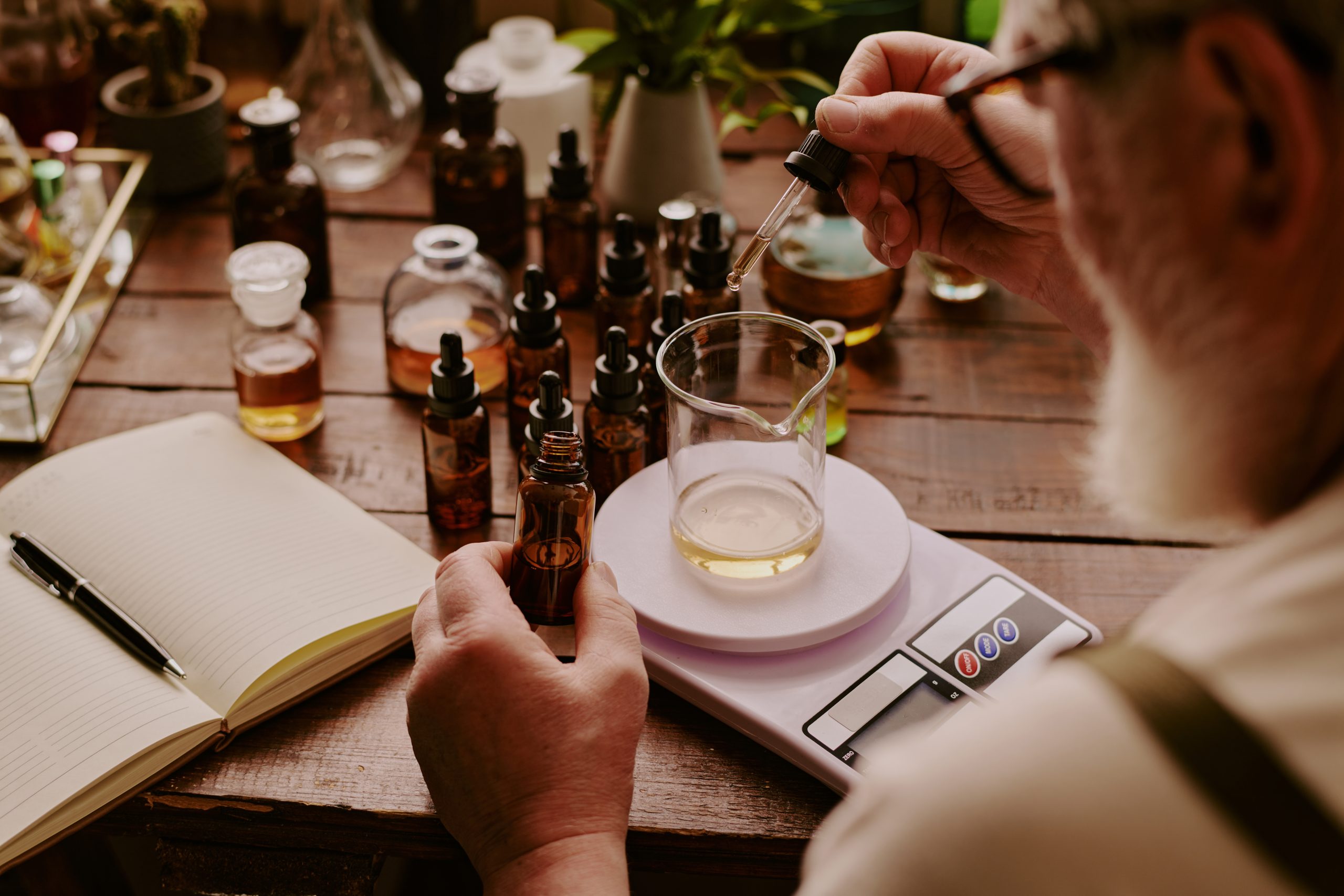
Iso E Super is one of the most widely used aroma chemicals in modern perfumery.
It appears in countless professional formulas and is often used at much higher concentrations than beginners expect.
Its subtle woody character, excellent diffusion, and exceptional stability make it extremely versatile.
But how much should you actually use?
The answer depends on what role it plays in your formula.
What Iso E Super Actually Does
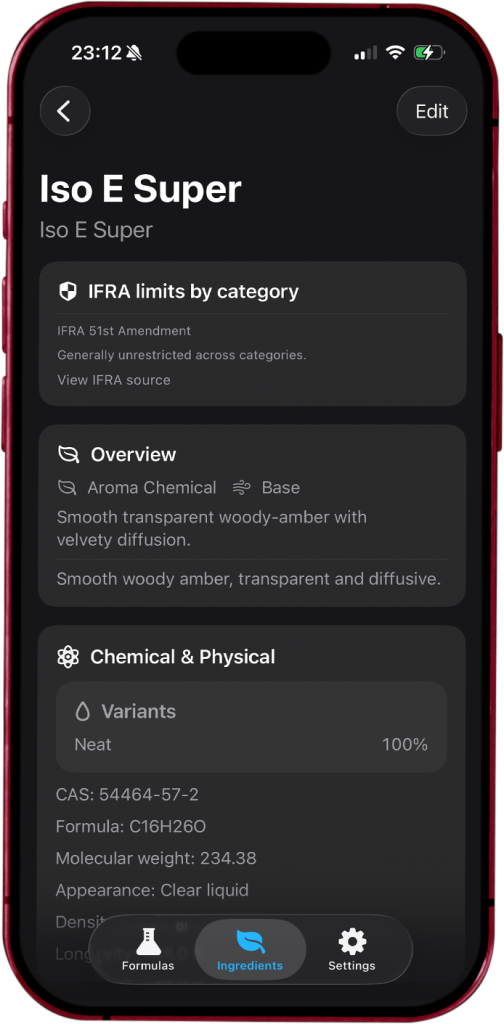
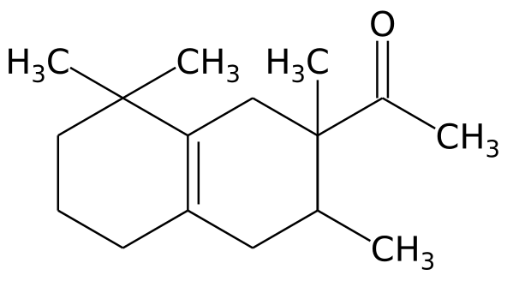
Iso E Super has a smooth, woody-amber character.
It is often described as:
• Soft cedarwood
• Dry woody
• Slightly velvety
• Diffusive rather than strong
Its strength isn’t always obvious immediately.
Instead, it enhances projection and structure.
It also blends extremely well with other materials.
Typical Usage Range in Professional Formulas
Iso E Super is commonly used anywhere from:
5% to 30% of a formula
Sometimes even higher.
At lower levels (5–10%), it adds subtle body and smoothness.
At moderate levels (10–20%), it strengthens projection and improves structure.
At higher levels (20–40%), it becomes a dominant structural component.
Some minimalist fragrances use it as the primary material.
Why It Can Be Used at High Percentages
Iso E Super is unusually safe and stable.
It has:
• Low allergenic potential
• High IFRA limits
• Excellent chemical stability
This allows perfumers to use it more freely than many other materials.
Always verify current IFRA standards, but restrictions are generally generous.
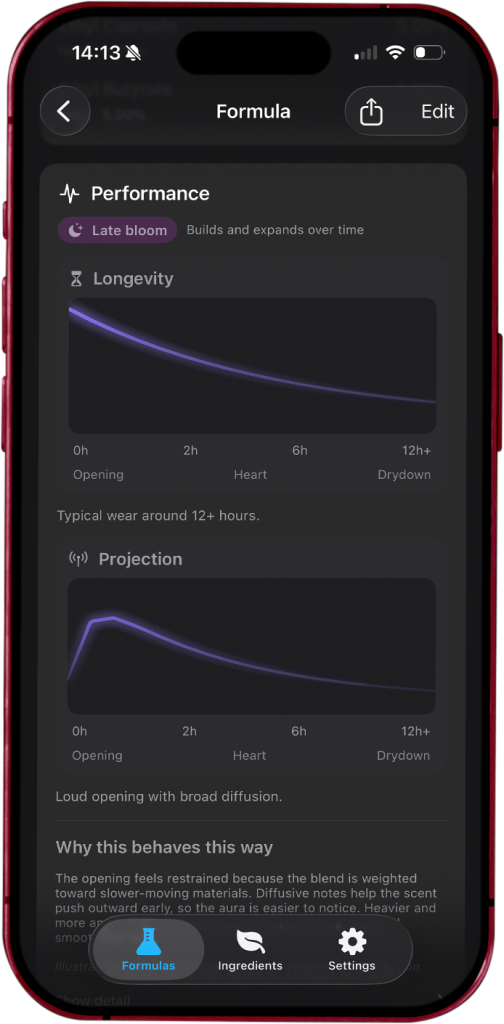
It Improves Projection More Than Longevity
Iso E Super doesn’t behave like a heavy resin or musk.
Instead, it enhances diffusion.
This makes fragrances easier to smell in the air, rather than only on skin.
This is why it appears frequently in modern woody and amber compositions.
It Helps Blend Other Materials
Iso E Super smooths transitions between notes.
It can reduce harsh edges and improve cohesion.
This makes it particularly useful when working with:
• Ambroxan
• Musks
• Woody materials
• Amber accords
It acts almost like a structural support.
When to Use Lower Amounts
If you’re creating:
Delicate floral fragrances
Light citrus colognes
Traditional compositions
You may prefer lower percentages.
Too much can dominate softer structures.
When Higher Percentages Make Sense
Higher usage works well in:
Woody fragrances
Modern amber compositions
Minimalist formulas
Base accords
Many contemporary fragrances rely heavily on it.
It has become a defining material of modern perfumery.
Beginner Mistake: Using Too Little
Many beginners use only 1–2%.
At that level, its structural benefits are minimal.
Increasing to 8–15% often produces noticeable improvements.
It enhances both performance and cohesion.
Testing Is Essential
Iso E Super behaves differently depending on context.
Its effect may not be obvious in isolation.
But within a formula, it improves balance and diffusion.
Experimenting across different percentages helps build intuition.
Tracking formula changes carefully makes this process easier.
Iso E Super is one of the most useful structural materials available to perfumers.
Typical usage ranges from 5% to 30%, depending on the desired effect.
It enhances projection, smooths structure, and improves overall cohesion.
Understanding how much to use — and how it interacts with other materials — is an important step in developing professional-quality formulas.
PerfumeLab allows you to track ingredient percentages and formula structure precisely.
You can explore it here:
What is Iso E Super used for in perfume?
Iso E Super is primarily used to improve structure, diffusion, and smoothness in perfume formulas. It adds a soft woody character and helps other ingredients blend more naturally. It is often used as part of the base structure in modern fragrances.
How much Iso E Super should you use in a perfume formula?
Iso E Super is typically used between 5% and 30% of the fragrance concentrate, depending on its role. Lower levels provide subtle support, while higher levels can form a major structural component of the fragrance.
Does Iso E Super increase longevity?
Iso E Super contributes moderately to longevity, but its main benefit is improving projection and diffusion. It helps fragrances radiate more effectively rather than acting as a heavy fixative.
Is Iso E Super safe to use at high percentages?
Iso E Super is considered very safe compared to many aroma chemicals and has relatively generous IFRA limits. However, perfumers should always verify current IFRA standards and ensure compliance for their specific product category.
Why can some people barely smell Iso E Super?
Iso E Super has a subtle scent profile and can be difficult for some individuals to detect directly. Olfactory sensitivity varies between people, and repeated exposure often makes it easier to perceive.
Is Iso E Super a base note?
Iso E Super behaves primarily as a base material, although it has some mid-note characteristics due to its diffusive nature. It remains detectable for many hours and helps anchor other materials.
Can Iso E Super be used on its own?
Yes. Some minimalist fragrances use Iso E Super as the primary ingredient. Its smooth woody character and excellent performance make it suitable for simple compositions.
What does Iso E Super smell similar to?
Iso E Super is often compared to cedarwood, amber, and soft woody notes. It has a dry, velvety quality rather than a sharp or heavy scent.
Is Iso E Super natural or synthetic?
Iso E Super is a synthetic aroma chemical. It was developed to provide a stable, consistent woody note that can be used safely at higher concentrations than many natural materials.
Why do perfumers use Iso E Super so often?
Iso E Super improves diffusion, smooths harsh transitions between ingredients, and enhances overall performance. Its versatility and stability make it one of the most widely used materials in modern perfumery.
How do perfumers track Iso E Super percentage in formulas?
Professional perfumers track ingredient percentages carefully to ensure balance and compliance. Digital formulation tools allow precise tracking and can help visualise how structural materials like Iso E Super affect longevity and projection.