

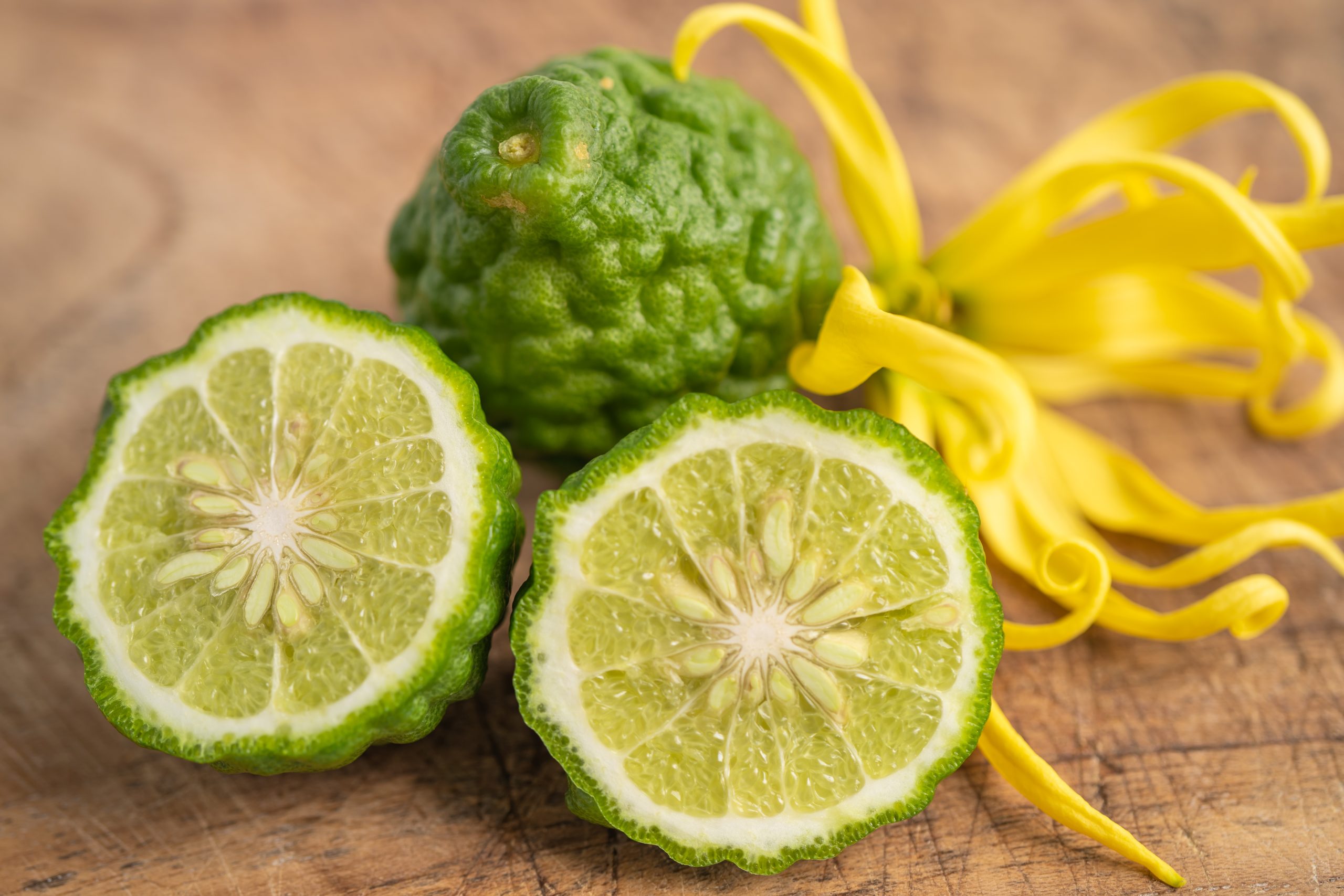
Bergamot oil is one of the most important ingredients in perfumery. It appears in a huge percentage of fragrances, especially fresh, citrus, and cologne-style perfumes. If you smell a bright citrus opening in a perfume, there is a very high chance bergamot is part of it.
Understanding how much bergamot to use is important, because too little can make a fragrance feel dull, while too much can create harshness or cause IFRA compliance issues.
This guide explains the typical percentage ranges and how bergamot behaves at different levels.
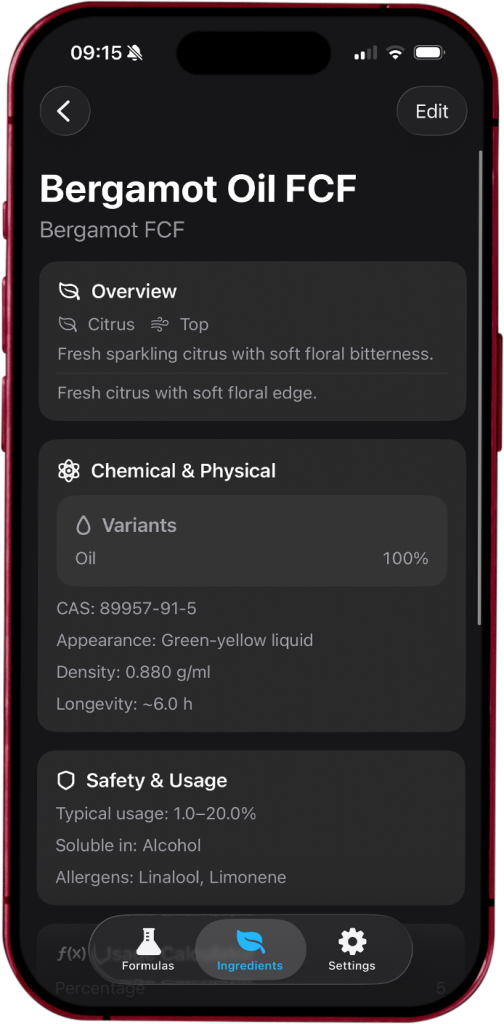
What Bergamot Oil Smells Like
Bergamot has a fresh citrus smell, but it is softer and more refined than lemon or orange.
It smells:
fresh
bright
slightly sweet
slightly floral
lightly green
Unlike sharp citrus oils, bergamot has a smoother and more elegant character. This is why it is used heavily in fine fragrance rather than just cleaning products.
It is especially important in:
colognes
fresh fragrances
fougères
chypres
modern masculine perfumes
Typical Bergamot Usage Percentage in Perfume
Bergamot is usually used between:
1% and 20% of the fragrance formula
Most commonly:
3% to 10%
The exact amount depends on how citrus-forward the fragrance is intended to be.
Typical ranges:
0.5–2%
Adds subtle freshness and lift without dominating.
3–8%
Very common range. Provides a clear citrus opening.
8–15%
Strong citrus presence. Typical of fresh colognes.
15–20%
Very citrus-heavy fragrances.
Above 20% is uncommon and often unnecessary.
What Happens at Low Percentages (0.5–3%)
At low levels, bergamot acts mainly as a supporting ingredient.
It helps:
brighten heavy base notes
smooth transitions between notes
add realism to citrus accords
At this level, the wearer may not consciously identify bergamot, but the fragrance will feel more alive and natural.
What Happens at Medium Percentages (3–10%)
This is the most common usage range.
Bergamot becomes clearly noticeable in the opening and gives the fragrance a fresh, professional feel.
This level is used in many well-known fragrances.
It creates:
clean openings
fresh masculine profiles
modern citrus-woody styles
Most eau de parfum formulas use bergamot in this range.
What Happens at High Percentages (10–20%)
At higher levels, bergamot becomes one of the dominant notes.
This is common in:
traditional colognes
summer fragrances
very fresh perfumes
However, bergamot evaporates relatively quickly, so the citrus opening may fade within 30 to 60 minutes.
High amounts must also be checked against IFRA limits.
Bergamot’s Role in Fragrance Structure
Bergamot is classified as a top note.
It evaporates quickly and is mainly responsible for the initial impression of a fragrance.
Its main functions include:
creating freshness
making fragrances feel more expensive
softening harsh synthetic materials
blending floral and woody notes
Even heavy fragrances often include small amounts of bergamot.
Example Bergamot Usage in a Formula
Example fresh woody formula:
Bergamot oil – 6%
Hedione – 18%
Iso E Super – 25%
Ambroxan – 8%
Cashmeran – 5%
Galaxolide – 12%
Other materials – 26%
In this formula, bergamot provides the fresh opening without overpowering the structure.
IFRA Limits and Safety Considerations
Bergamot oil contains natural components such as limonene and linalool, and some types contain bergapten, which can cause photosensitivity.
Most perfumers use:
bergamot FCF (furanocoumarin-free)
This version removes the phototoxic components and allows safer usage.
Always check the IFRA certificate for your specific bergamot oil, as limits vary depending on the type and fragrance category.
Common Mistakes When Using Bergamot
Using too little
The fragrance may feel dull or flat.
Using too much
The fragrance may smell overly sharp or disappear quickly after application.
Not checking IFRA limits
Natural oils vary in restriction levels.
Using poor quality bergamot
High-quality bergamot smells much smoother and more refined.
What percentage of bergamot should be used in perfume?
Most perfumes use bergamot between 3% and 10% of the fragrance formula.
Fresh citrus fragrances may use up to 20%.
Is bergamot a top, middle, or base note?
Bergamot is a top note. It is mainly responsible for the opening of the fragrance.
Does bergamot improve fragrance longevity?
Not directly. Bergamot evaporates quickly, but it improves the overall perception and balance of the fragrance.
Can bergamot be overdosed?
Yes. Very high levels can smell harsh and may cause the fragrance to fade quickly.
Why is bergamot used so often in perfume?
It helps fragrances smell fresh, clean, and professional. It also blends extremely well with most other ingredients.
Should you use bergamot FCF?
Yes. Bergamot FCF is safer and more commonly used in modern perfumery.